Real kitchen progress, described in learners’ own words
Discover how students used practical techniques, planning tools and guided practice to make everyday cooking feel clearer, calmer and more creative.
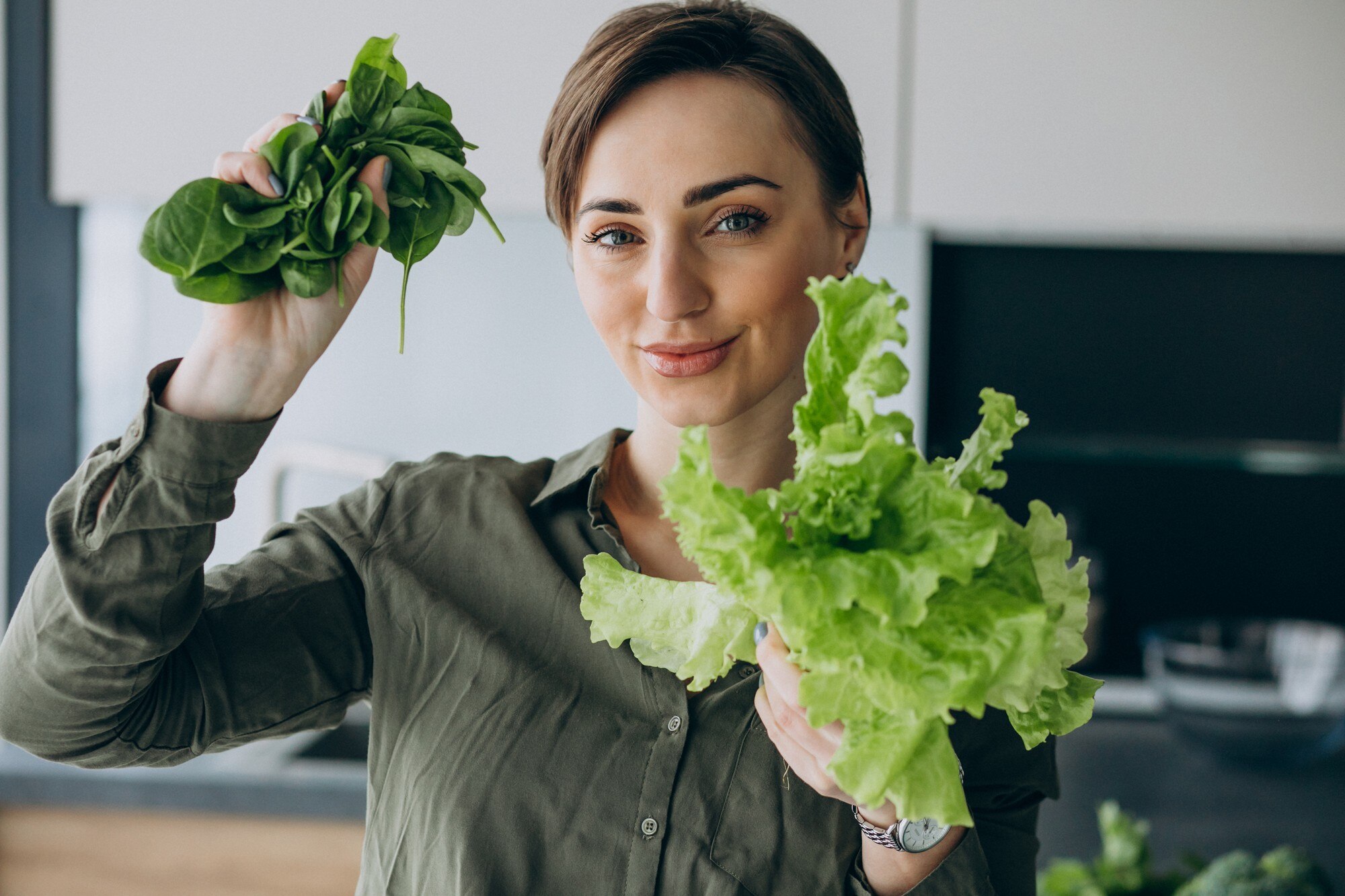
Different starting points, one practical approach
These stories focus on learning experiences and everyday changes in confidence, organisation and enjoyment. They are not promises of identical results.
RL“I used to begin cooking before reading the whole recipe. The workflow module changed that immediately. Now I group tasks, clear as I go and know what needs my attention.”
DW“The course gave language to things I had only guessed at, especially heat and texture. I am much more comfortable changing a vegetable or grain when shopping plans shift.”
PN“The weekly planner is simple enough that I actually use it. I choose two meals I want to cook, two quick options and leave room for a change of plans.”
JC“I appreciated that the recipes explain the cue to look for. ‘Golden at the edges’ or ‘glossy enough to coat the spoon’ is far more useful than a timer alone.”
SM“My kitchen is compact, so the staged preparation approach made a big difference. I no longer feel that every bowl and ingredient has to be out at once.”
HT“The herbs and sauces workshop helped me understand how to brighten simple food. I now keep one dressing base and adjust it through the week.”
What learners say became easier
Confidence often grows from ordinary moments: understanding the next step, rescuing a sauce, recognising doneness or having a realistic backup dinner.
Starting without stress
Reading the sequence, preparing the longest task first and keeping the workspace usable.
Tasting with purpose
Deciding whether a dish needs seasoning, acidity, aroma, richness or textural contrast.
Adapting responsibly
Changing ingredients while preserving the role, cooking time and overall structure.
Planning with flexibility
Building a weekly framework that can move when work, family or social plans change.
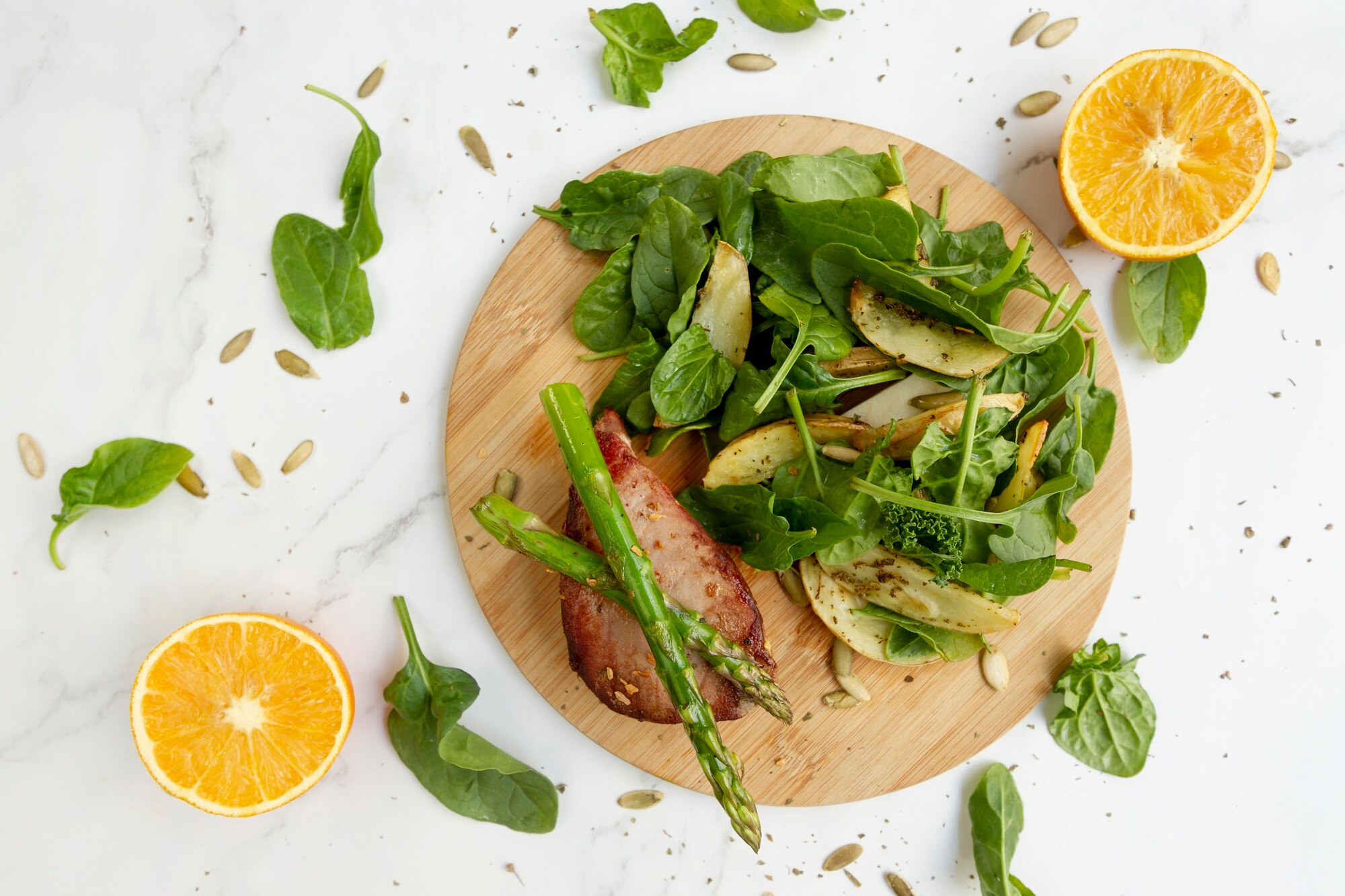
From lesson to repeated habit
A course works best when the learning is small enough to repeat. Students are encouraged to select one idea each week and use it several times in different contexts.
Notice the instructor’s workflow and the sensory cue at the centre of the lesson.
Repeat one technique without the pressure of preparing a complicated menu.
Use the skill in a complete meal and make one sensible substitution if useful.
Write one note that will make the next attempt faster, clearer or more consistent.
“I stopped treating dinner as a daily test.”
“The most useful part was learning that a plan can include uncertainty. I keep one pantry meal, one open evening and a few prepared components. That structure lets me cook more calmly without feeling restricted.”
Stories shared with context
Experience, not guarantee
Testimonials describe individual learning experiences and should not be read as a promise that every learner will have the same outcome.
Relevant detail
We focus on cooking skills, organisation, course usability and confidence rather than unsupported or regulated claims.
Respectful editing
Stories may be lightly edited for clarity and length while preserving the learner’s meaning.
Your learning story begins with one skill
Choose a programme that fits your current kitchen questions and preferred pace.
Compare courses →