Kitchen setup
Arrange tools, ingredients and workflow for less stopping and more purposeful movement.
An eight-week online programme for building dependable cooking skills, flexible meal routines and a personal collection of recipes you understand rather than simply follow.
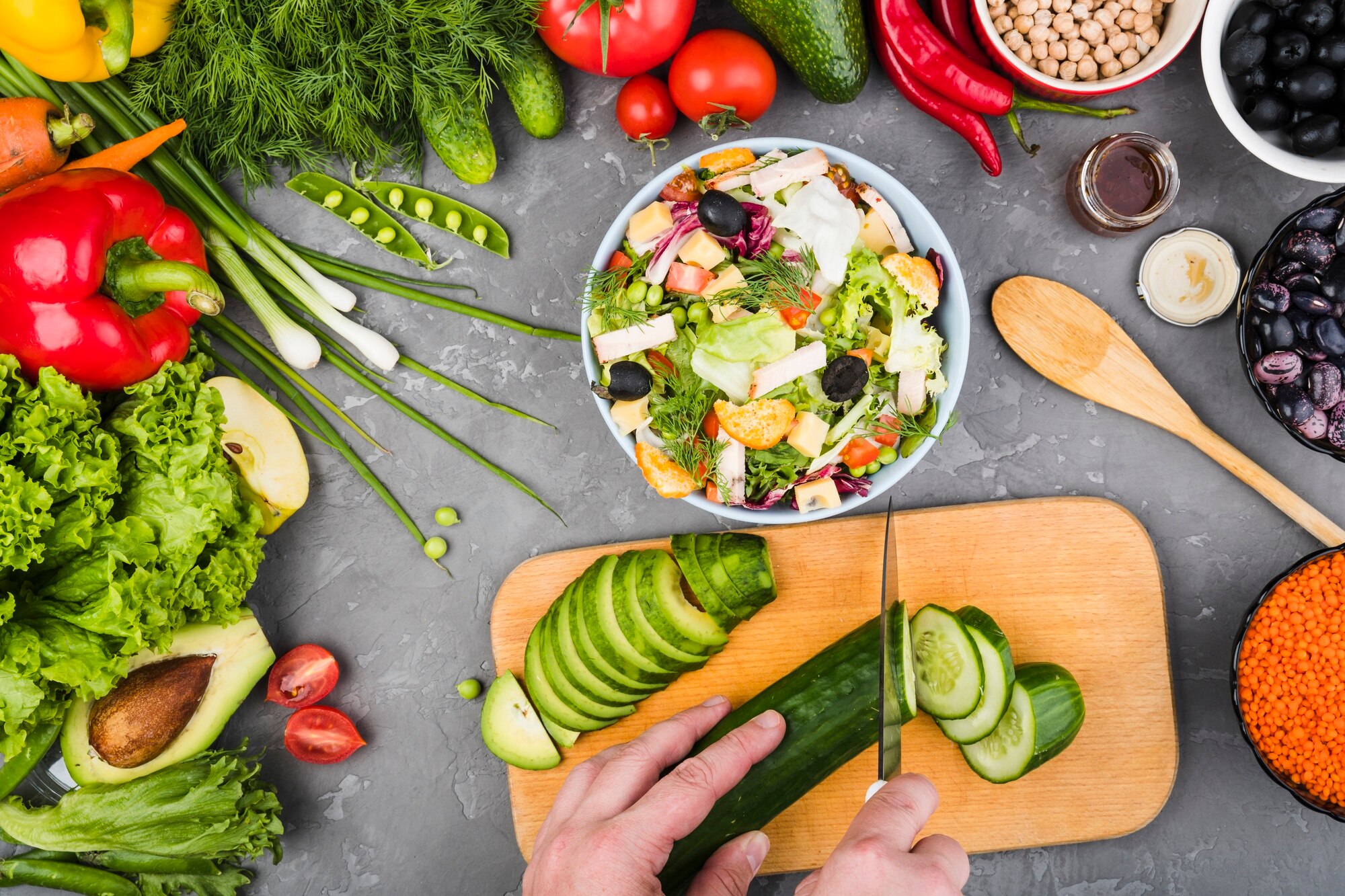
This programme connects the essential parts of home cooking: preparation, heat, flavour, texture, timing and planning. Rather than treating recipes as isolated instructions, the course shows how the same principles appear across breakfasts, lunches, dinners, snacks and simple desserts.
You will work through concise demonstrations and practical assignments using familiar equipment. By the end, you will have a repeatable weekly approach, a clearer understanding of ingredients and a set of adaptable dishes that can change with the season and your household.
Every module adds one layer of understanding and includes a demonstration, reference guide, practical task and recipe application.
Arrange tools, ingredients and workflow for less stopping and more purposeful movement.
Practise safe grips, useful cuts and efficient preparation for everyday vegetables and herbs.
Learn how pan temperature, oven heat and moisture affect browning, tenderness and timing.
Use salt, acidity, aromatics, spices and fresh herbs to create balanced flavour.
Roast, steam, sauté and braise vegetables while preserving appealing colour and texture.
Prepare dependable bases and understand soaking, ratios, resting and storage.
Explore practical methods for eggs, fish, poultry, tofu and legumes with sensible substitutions.
Build versatile sauces that connect simple ingredients and refresh planned leftovers.
Create quick combinations that travel well and can be prepared in stages.
Coordinate components and use one-pan, tray and pot methods for efficient evening meals.
Design a realistic week, map ingredient overlap and write a focused grocery list.
Create a repeatable cooking rhythm and a collection of meals that suit your household.
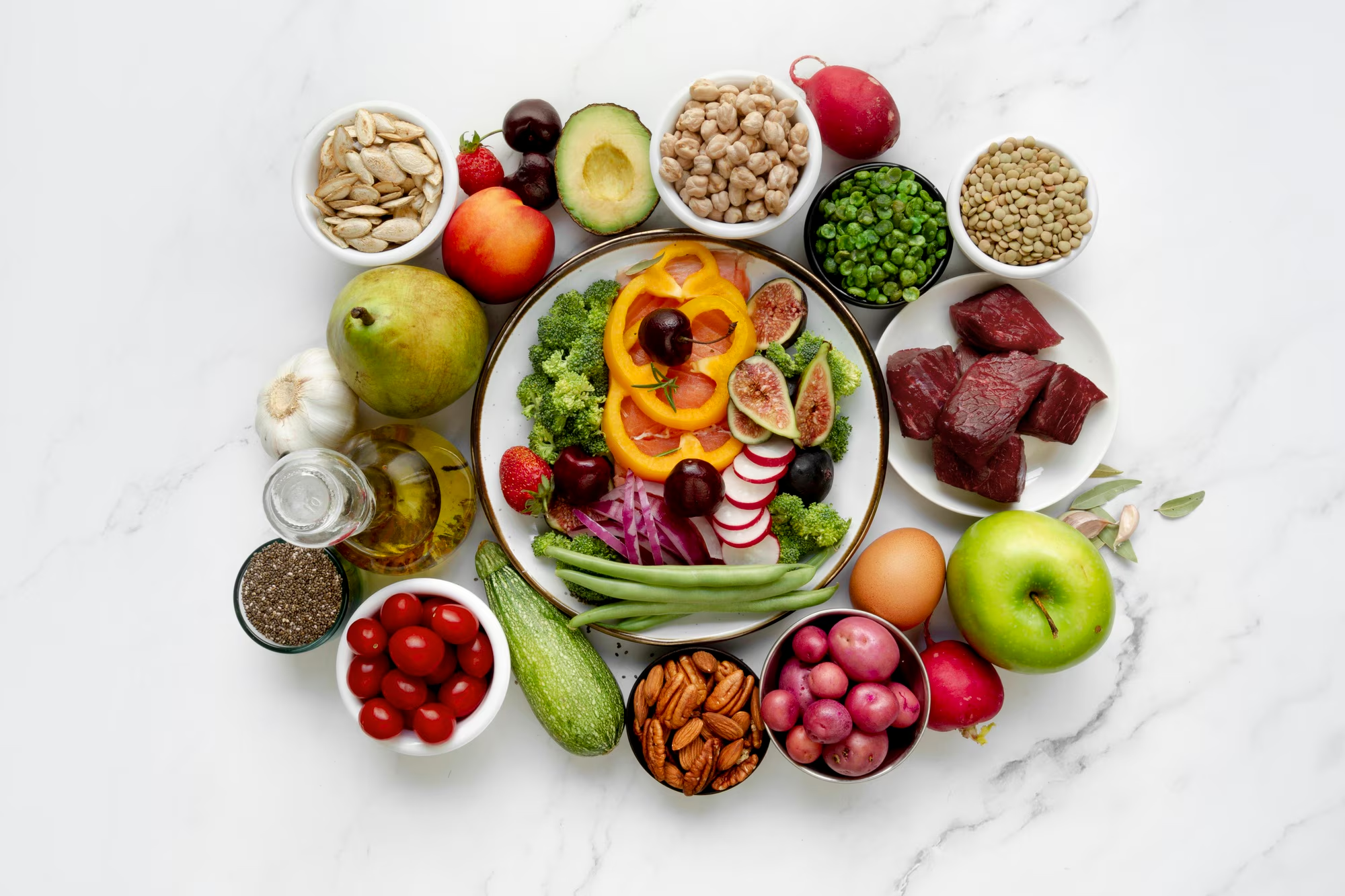
Read a recipe, organise the sequence and prepare only what is needed before the heat begins.
Swap produce, grains or proteins while preserving the structure and balance of a dish.
Taste at useful stages and identify whether a dish needs seasoning, acidity, aroma or texture.
Plan around your actual diary and combine fresh cooking with thoughtfully prepared components.
You can follow the suggested eight-week schedule or move more slowly. The structure remains visible so you always know the next useful step.
Watch in short chapters and note the technique cues before beginning.
Repeat a cut, cooking method or flavour adjustment without unnecessary complexity.
Use the week’s methods in a practical dish designed for adaptation.
Record what worked, what changed and what you will repeat next time.
“The biggest change was learning how to start. I now prepare in a logical order and dinner no longer feels like five tasks happening at once.”
“The modules explain why a method works. That made substitutions much less stressful when an ingredient was unavailable.”
“I use the weekly grid every Sunday. It is flexible enough for work changes but structured enough to stop last-minute decisions.”
Share your details and current cooking goals. The academy team will reply with the next available intake, course format and practical enrolment information. Submitting this form does not create a payment obligation.
Receive seasonal ingredient ideas, practical cooking techniques and realistic meal-planning prompts. No clutter, no daily promotions.